Minimal Frame Doors vs. Steel-Frame Doors: A Technical Comparison
Steel-frame doors offer industrial character, but minimal frame aluminum systems deliver thinner profiles, better thermal performance, and lower maintenance. Here's the full technical breakdown.

The Appeal of Both Systems
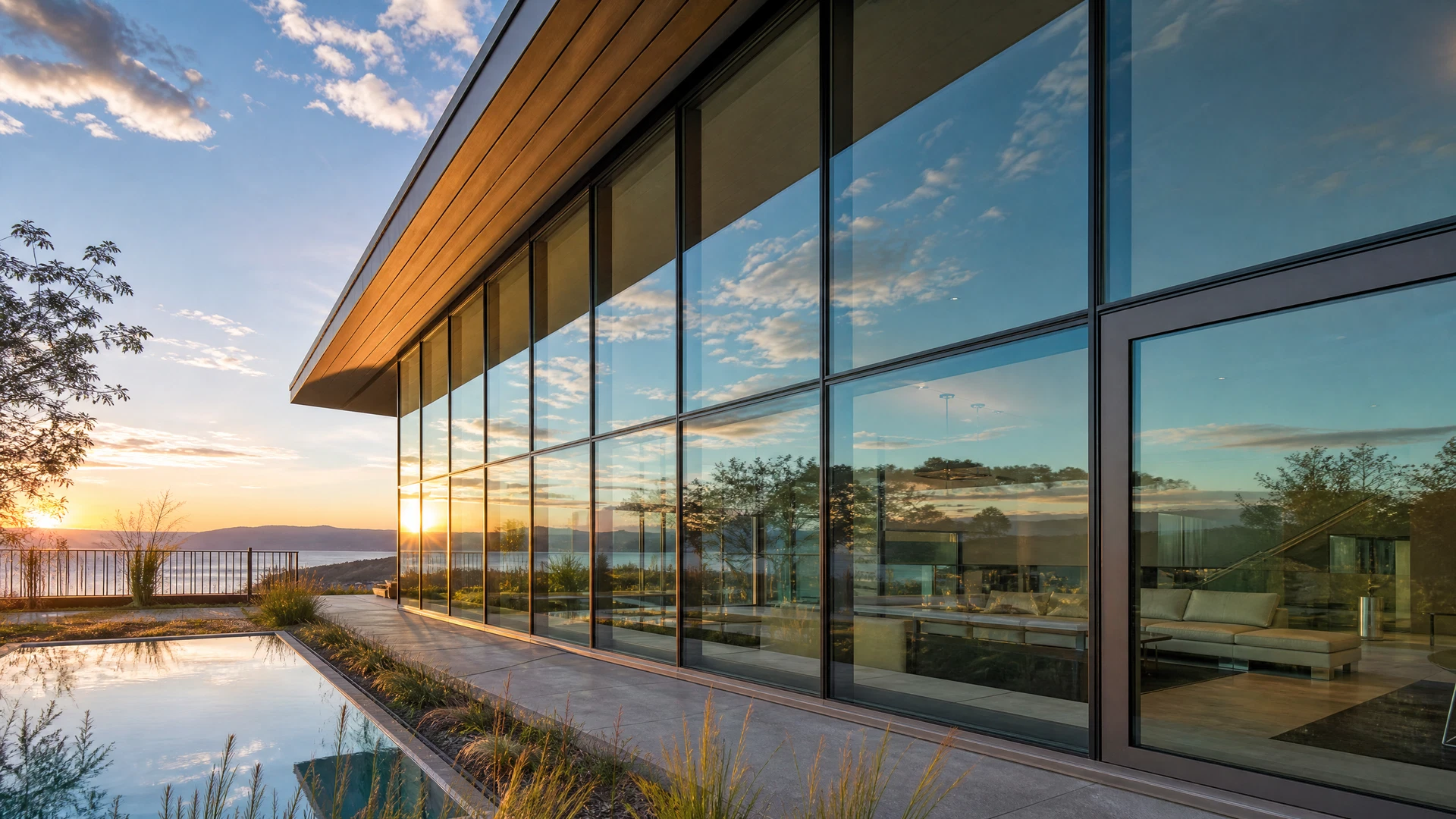
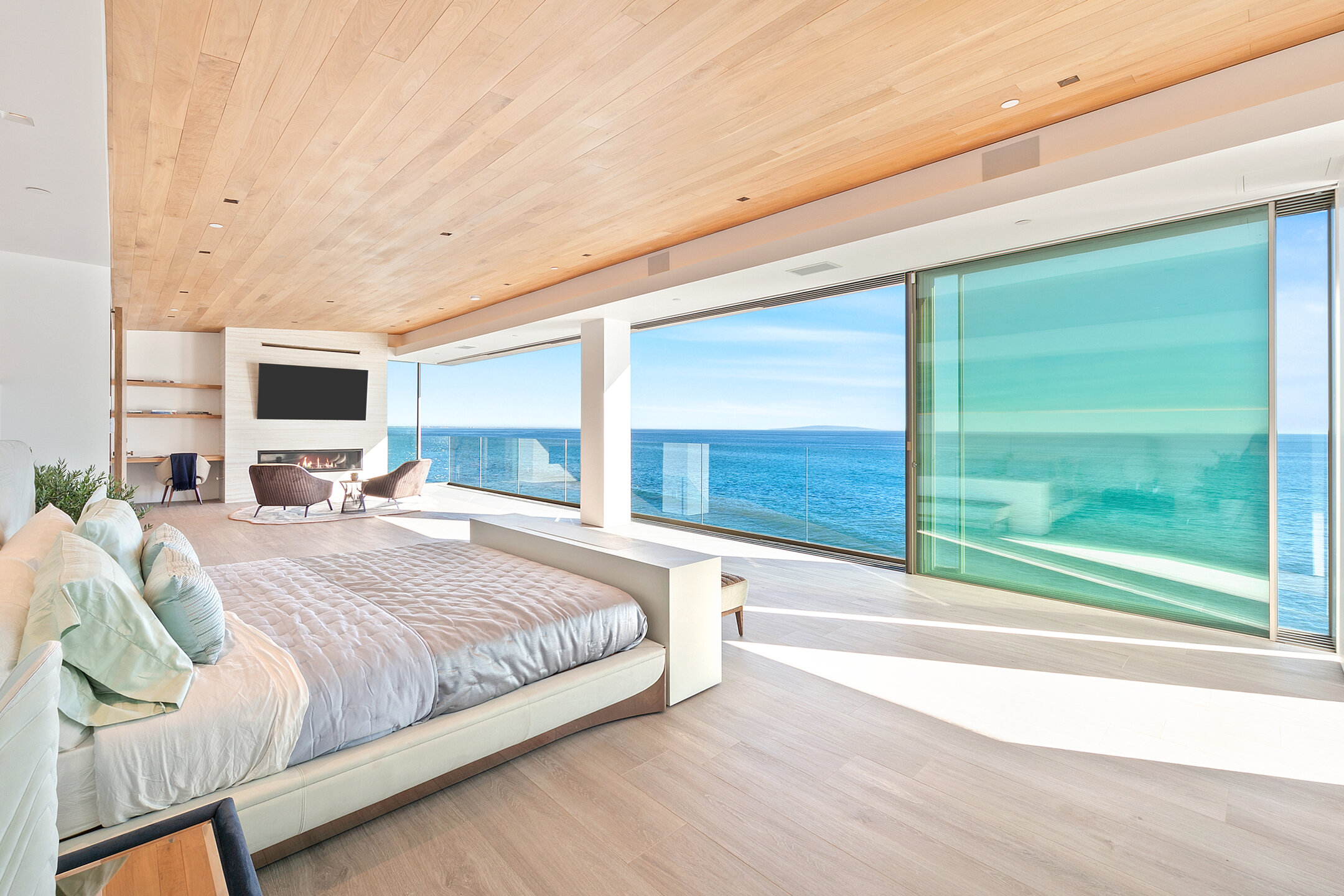
Architects are drawn to both minimal frame aluminum and steel doors for the same reason: slim profiles that maximize glass area. Steel's inherent strength allows thin sections, while advanced aluminum engineering achieves similar (or thinner) profiles through structural glass technology.
Profile Width Comparison
Steel doors typically achieve 1.5" to 2.5" profiles. Minimal frame aluminum systems like the Styline THINLINE 2500 achieve 3/4" — roughly half the width of the slimmest steel options. This difference is immediately visible and significant in the overall glass-to-frame ratio.
Thermal Performance
This is where the systems diverge dramatically. Steel conducts heat approximately 1,500 times more efficiently than the polyamide thermal breaks used in aluminum systems. Even "thermally broken" steel doors (which use a resin pour between interior and exterior steel sections) typically achieve U-factors 30-50% worse than thermally broken aluminum.
For projects in climate zones requiring strict energy compliance, minimal frame aluminum systems offer a clear performance advantage.
Maintenance & Longevity
Steel requires ongoing maintenance to prevent corrosion — particularly in coastal or humid environments. Even with galvanizing and paint, steel frames will eventually show rust if the finish is compromised.
Aluminum is naturally corrosion-resistant. Anodized finishes become part of the metal itself and cannot peel or chip. Powder coat finishes on aluminum offer excellent durability with minimal maintenance over decades.
Cost Considerations
Custom steel doors are typically 20-40% more expensive than equivalent minimal frame aluminum systems when accounting for:
- Higher material and fabrication costs
- More complex installation (heavier weight requires reinforced framing)
- Ongoing maintenance costs over the building lifecycle
- Potential energy cost penalties from lower thermal performance
Styline's Steel Essence™ Alternative
For architects who love the steel aesthetic but need aluminum performance, Styline's Steel Essence™ collection (available on the 1500 Series) replicates the visual weight and proportions of true steel fabrication using advanced aluminum engineering — without the thermal or maintenance compromises.
Making the Decision
Choose steel when: the project demands authentic material expression and the budget accommodates ongoing maintenance. Choose minimal frame aluminum when: maximum transparency, thermal performance, low maintenance, and code compliance are priorities.
For most contemporary residential and commercial projects, minimal frame aluminum delivers superior performance across every measurable metric while achieving thinner profiles than steel can offer.
WRITTEN BY
Styline Engineering
Simi Valley, California