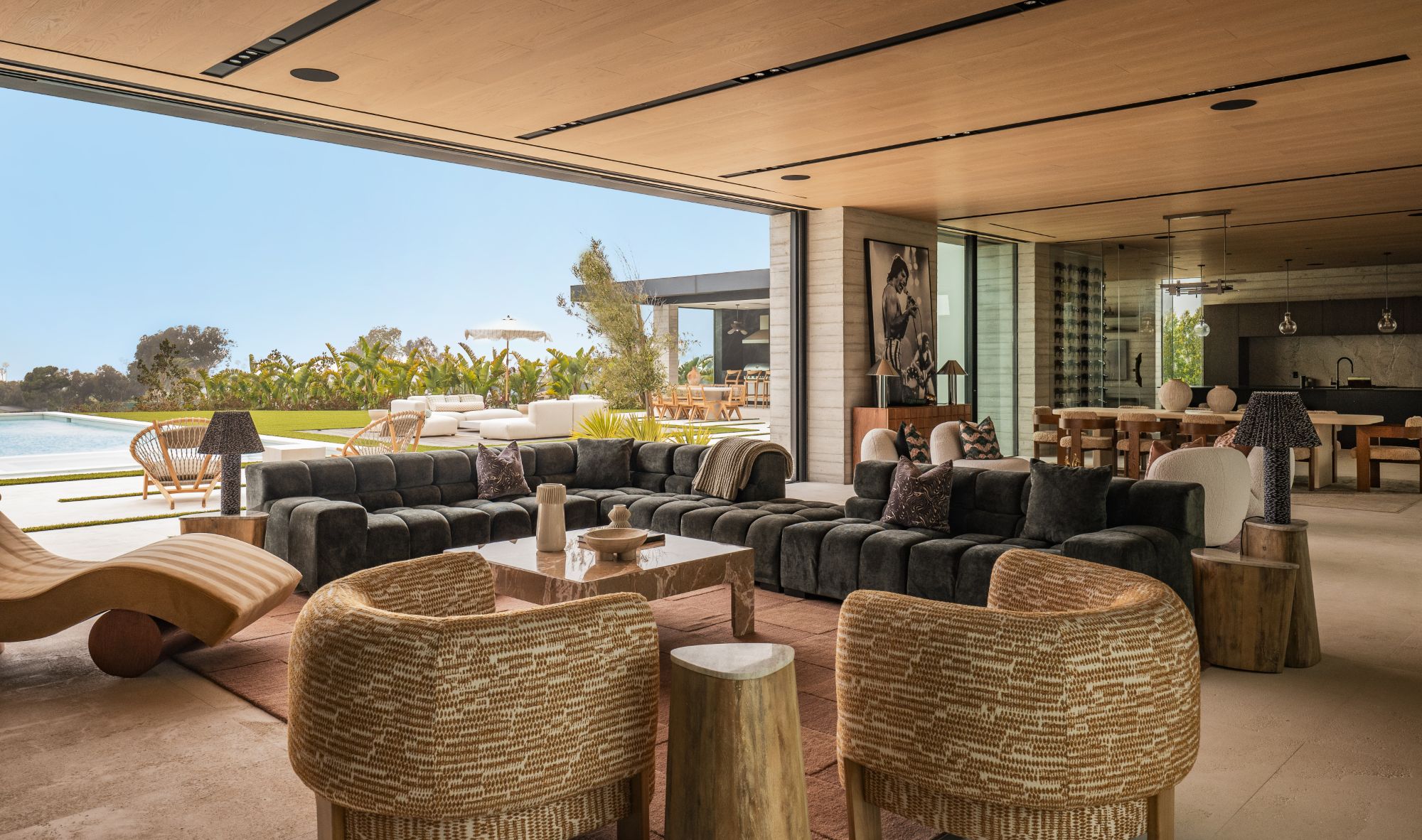
Navigating the New Tariff Landscape: Why US-Made Minimal Frames Offer Unmatched Value
The evolving US tariff landscape significantly impacts imported minimal frame windows and doors. Styline's US-made systems offer predictable costs, guaranteed compliance, and superior thermal performance with U-values as low as 0.28, mitigating risks associated with international sourcing.
Navigating the New Tariff Landscape: Why US-Made Minimal Frames Offer Unmatched Value
The architectural glazing industry, a critical component of modern building design, is currently experiencing significant shifts driven by evolving global trade policies. Architects and builders, particularly those specializing in high-performance minimal frame systems, must now contend with a complex web of tariffs that directly impact project costs, timelines, and overall risk profiles. This new landscape necessitates a re-evaluation of sourcing strategies, placing a premium on predictability, compliance, and domestic manufacturing advantages.
1. Introduction: The Evolving Global Trade Environment for Architectural Glazing
The pursuit of expansive views and seamless indoor-outdoor transitions has propelled minimal frame windows and doors to the forefront of contemporary architecture. These systems, characterized by their ultra-slim profiles and superior thermal performance, are often sourced internationally due to specialized manufacturing capabilities. However, recent geopolitical and economic shifts have introduced unprecedented volatility into the supply chain for these high-value fenestration products. The impact extends beyond mere price fluctuations, touching upon every aspect from logistical complexities to long-term project viability. Understanding these dynamics is crucial for maintaining competitive advantage and ensuring project success in an increasingly unpredictable market.
2. Understanding the Impact of Recent US Tariffs on Imported Windows & Doors
The U.S. government has implemented a series of tariffs on imported goods, including windows and doors, significantly altering the cost structure for architectural glazing. These tariffs, often applied as ad valorem duties (a percentage of the goods' value), cascade through the supply chain, affecting not just finished products but also critical components like glass and aluminum extrusions. For the glass and architectural metal industries, these tariffs, alongside global supply-chain disruptions and commodity market volatility, have notably increased manufacturing, selling, and import costs. In some instances, prices for metal windows, doors, and frames were over 11% and 18% higher in November 2025 compared to November 2024, partly due to tariffs on derivative metal products. While the actual tariff rate in 2025 was around 14%, roughly half of the statutory rate of 27%, it remains historically high and is reshaping U.S. trade patterns. Experts anticipate that the full impact of these tariffs will become more noticeable in 2026 as existing inventories deplete.
3. Tariff Breakdown by Country: Switzerland, Portugal, Greece, Germany, Italy, Spain, and China
The tariff landscape is highly granular, with duties varying significantly by country of origin and product type. While specific, universally applicable tariff rates for minimal frame windows and doors from all European countries are not consistently published, the trend indicates increased scrutiny and potential duties. The U.S. government introduced tariffs of up to 25% on European-made windows in March 2025, alongside other import tariffs.
China
China faces some of the most substantial tariffs. Aluminum doors and windows from China, for example, can be subject to a combination of Section 232 (national security tariffs on metals) and Section 301 (tariffs specifically targeting China). In December 2025, the total tariff load on aluminum windows and doors (HTS 7610.10) from China peaked at 83.2%, with a slight reduction to around 73.2% by late 2025. This includes a 50% Section 232 tariff and a 25% Section 301 tariff on aluminum doors/windows, totaling 75%. Additionally, fiberglass door panels from China have recently been hit with anti-dumping duties ranging from 41.79% to 147.85% and countervailing duties of 186.46% as of June 2026. These rates can fluctuate and are subject to ongoing investigations by bodies like the U.S. Department of Commerce.
European Union (Switzerland, Portugal, Greece, Germany, Italy, Spain)
While the EU itself has implemented anti-dumping measures on aluminum extrusions from China (21.2% to 32.1%), the U.S. has also applied tariffs on European finished goods. The general trend indicates that European imports, while not facing the same punitive levels as China, are still subject to significant duties, increasing their landed cost in the U.S. market. For instance, some reports indicate that tariffs on European-made windows can be up to 25%.
4. The True Cost of Importation: Beyond the Tariff Percentage (Logistics, Lead Times, Risk)
The financial implications of importing architectural glazing extend far beyond the stated tariff percentages. Project stakeholders must account for a multitude of hidden costs and inherent risks that can significantly inflate budgets and derail schedules.
- Logistics and Transportation Fees: Shipping large, fragile fenestration units across oceans involves substantial costs. Sea freight, while cost-effective for bulk orders, can still range from $1,500 to $3,000 per 20ft container from China to Los Angeles. Air freight is significantly pricier, reserved for urgent, smaller shipments. These costs are further compounded by land transport (drayage) from ports to project sites.
- Extended Lead Times: International shipping inherently involves longer lead times, often spanning several months. This extended duration increases the risk of project delays, which can incur significant penalties and carrying costs. Specialized components and complex glazing systems are particularly susceptible to these delays as global manufacturers adjust to tariff-driven sourcing shifts.
- Customs Duties & Taxes: Beyond tariffs, importers face various customs duties, merchandise processing fees (MPF), and potential biosecurity rules (e.g., fumigation for timber materials). The complexity of navigating Harmonized Tariff Schedule (HTSUS) codes and ensuring accurate classification can lead to unforeseen charges or delays if not handled meticulously.
- Supply Chain Volatility and Risk: The global supply chain for building materials is increasingly susceptible to disruptions, as evidenced by recent events. Tariffs themselves contribute to this instability, forcing companies to adapt by seeking new suppliers, which can introduce new, unvetted risks. Unpredictable logistics expenses, customs delays, and unexpected surcharges can erode cost savings.
- Quality Control and Compliance: Ensuring that imported products meet stringent U.S. building codes, performance standards (e.g., NFRC, AAMA), and regional certifications (e.g., Florida Product Approval, Miami-Dade NOA) can be challenging and costly. Rectifying non-compliant products after they arrive on-site can lead to significant rework, delays, and legal liabilities.
- Currency Fluctuations: Exchange rate volatility between the U.S. dollar and foreign currencies can impact the final cost of imported goods, adding another layer of financial uncertainty.
These factors collectively demonstrate that the initial, seemingly lower price of an imported product can quickly escalate, diminishing or even negating any perceived cost advantage. As noted by industry experts, tariffs have become a fixed element of the financial environment, requiring permanent recalibration of how projects are priced, sourced, and delivered.
5. Styline's Domestic Advantage: Quality, Compliance, and Cost Predictability
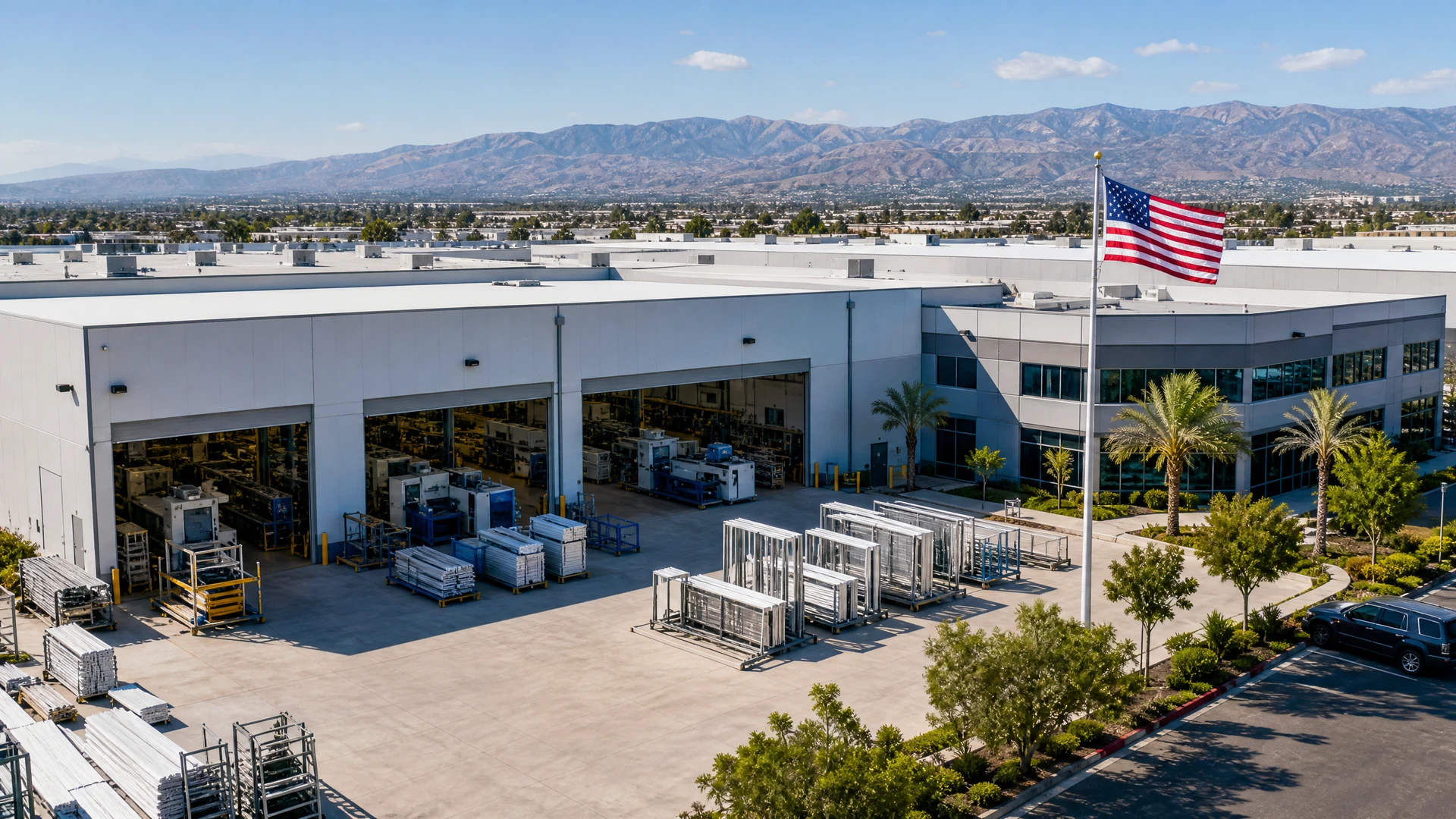
Styline, as a U.S.-based manufacturer of premium minimal frame window and door systems, offers a compelling alternative to the complexities and risks associated with imported products. Our commitment to domestic manufacturing in Arizona (and previously California) translates directly into significant advantages for architects, builders, and developers.
- Uncompromised Quality and Craftsmanship: Styline's systems, including the THINLINE 2500, THINLINE 3500, and our various hinged and pivot door series (1500HD, 1500PD, PD700, PD800), are engineered and handcrafted in the USA. This localized production allows for rigorous quality control at every stage, from material sourcing to final assembly. We utilize advanced polyamide thermal break technology, not less efficient pour-and-debridge methods, to achieve superior thermal performance.
- Guaranteed Compliance and Certification: Navigating the intricate landscape of U.S. building codes and certifications is a core competency for Styline. All our systems are extensively tested to AAMA/NFRC standards, ensuring compliance with critical metrics such as U-values, Solar Heat Gain Coefficient (SHGC), and air infiltration rates. Our products meet or exceed the requirements of codes like IECC 2021 and California Title 24. For instance, the 2021 IECC mandates air infiltration rates no greater than 0.3 cfm per square foot for windows and sliding glass doors. Styline's systems achieve an air infiltration rate of less than 0.01 cfm/ft², significantly surpassing the AAMA Gold Label standard of 0.30 cubic feet per minute or lower. Furthermore, our products hold Florida Product Approval and Miami-Dade NOA, critical for projects in high-velocity hurricane zones (HVHZ) where products must withstand extreme conditions, including large missile impact testing (TAS 201/202/203).
- Cost Predictability and Stability: By manufacturing domestically, Styline insulates projects from the volatility of international tariffs, fluctuating exchange rates, and unpredictable shipping costs. Our pricing is transparent and stable, allowing for accurate budgeting and minimizing the risk of unforeseen expenses that can erode project margins.
- Reduced Lead Times and Supply Chain Reliability: Local manufacturing drastically reduces lead times compared to overseas sourcing. This means faster project turnaround, greater flexibility for design adjustments, and a significantly more reliable supply chain, mitigating the risk of delays due to customs, port congestion, or geopolitical events.
- Exceptional Performance Metrics: Styline's minimal frame systems are designed for peak performance. Our THINLINE 2500 Absolute, for example, achieves U-values as low as 0.28, a significant improvement over the industry average U-value of 0.35 for similar systems. Our SHGC ratings are configurable from 0.25 to 0.40, allowing precise control over solar heat gain based on climate zone requirements. This performance contributes directly to energy code compliance, such as Title 24's requirement for U-factors of 0.30 and SHGC of 0.23 in most California climate zones for fenestration with more than 25% glass.
6. Case Study: Project Savings with Styline's THINLINE 2500 vs. Tariff-Affected Imports
Consider a high-end residential project in a California climate zone requiring a U-factor of 0.30 and an SHGC of 0.23. The project specifies a large minimal frame sliding door system, such as Styline's THINLINE 2500. Let's compare the cost implications of sourcing this system from Styline versus a comparable imported product from China, subject to current tariffs.
Imported System (Hypothetical from China)
- Base Product Cost (pre-tariff): Assumed to be lower due to overseas labor, but this is increasingly offset.
- Tariffs: For aluminum-framed minimal sliding doors, tariffs could be around 73.2% as of late 2025. This percentage is applied to the declared value of the goods.
- Shipping & Logistics: Sea freight, customs brokerage, drayage, and insurance. This can add 10-20% or more to the base cost.
- Extended Lead Times: 12-16 weeks or more, increasing project financing costs and potential delay penalties.
- Risk of Non-Compliance: Potential for re-testing or modifications to meet Title 24 or NFRC standards, incurring additional costs and delays.
- Hidden Costs: Currency conversion fees, quality control inspections abroad, and potential for damage during transit.
Styline THINLINE 2500 (Made in USA)
- Base Product Cost: Reflects premium U.S. manufacturing, but without the added layers of import duties and associated risks.
- Tariffs: None.
- Shipping & Logistics: Domestic shipping is significantly faster and less expensive, typically a fraction of international costs.
- Lead Times: Predictable and shorter, optimizing project schedules.
- Guaranteed Compliance: THINLINE 2500 systems are NFRC rated and Title 24 compliant out of the factory, with U-values as low as 0.28 and configurable SHGC. This eliminates the risk and cost of post-import compliance adjustments.
- Transparent Pricing: The quoted price is the landed cost, simplifying budgeting.
Quantitative Impact: If an imported minimal frame system has a base cost of $50,000, a 73.2% tariff alone adds $36,600. Add another 15% for logistics ($7,500), and the total cost quickly escalates to over $94,100, not including the value of time lost or risk mitigation. Styline's domestic alternative, while potentially having a higher initial sticker price, eliminates these unpredictable and substantial surcharges, offering a true, predictable cost that often results in significant overall project savings and peace of mind.
7. Future-Proofing Your Projects: Why Local Sourcing Mitigates Risk
In an era of increasing global uncertainty, local sourcing is no longer just a preference but a strategic imperative for future-proofing architectural projects. The benefits extend beyond immediate cost savings and schedule adherence:
- Reduced Geopolitical Risk: Trade wars, political instability, and international disputes can abruptly impact supply chains and introduce new tariffs. Local manufacturing insulates projects from these external shocks.
- Enhanced Supply Chain Resilience: A domestic supply chain is inherently more robust, less susceptible to port congestion, shipping delays, or raw material shortages originating from abroad.
- Sustainability and Environmental Impact: Sourcing locally reduces the carbon footprint associated with long-distance transportation, aligning with increasingly stringent environmental regulations and green building initiatives.
- Economic Stability and Job Creation: Investing in U.S. manufacturing supports local economies and fosters a skilled workforce, contributing to broader economic stability.
- Direct Communication and Support: Working with a domestic manufacturer like Styline allows for direct, real-time communication, immediate technical support, and responsive customer service, which is invaluable for complex architectural projects.
The lessons from recent years underscore the importance of supply chain diversification and the strategic advantage of domestic production. As noted by industry experts, the impacts of tariffs are expected to become more noticeable, and companies are adapting by swapping suppliers to prioritize domestically made goods.
8. Conclusion: Investing in US Manufacturing for Superior Value and Performance
The current tariff landscape for imported windows and doors has fundamentally reshaped the value proposition for architectural glazing. While imported products may initially appear to offer a lower price point, the cumulative impact of tariffs, escalating logistics costs, extended lead times, and inherent supply chain risks often results in a higher true cost and increased project uncertainty.
Styline's commitment to U.S. manufacturing provides a clear and compelling alternative. By offering meticulously engineered, high-performance minimal frame systems like the THINLINE 2500 and THINLINE 3500, manufactured in Arizona, we deliver not just superior aesthetics and thermal performance (U-values as low as 0.28, air infiltration < 0.01 cfm/ft²), but also unmatched cost predictability, guaranteed code compliance (Title 24, IECC 2021, Florida Product Approval, Miami-Dade NOA), and reliable lead times.
For architects, builders, and developers, investing in Styline's US-made minimal frame systems is an investment in long-term value, project stability, and peace of mind. It's a strategic choice that mitigates the financial and logistical risks of an evolving global trade environment, ensuring that your vision for elegant, high-performance architecture is realized with precision and efficiency.
WRITTEN BY
Styline Engineering
Simi Valley, California